
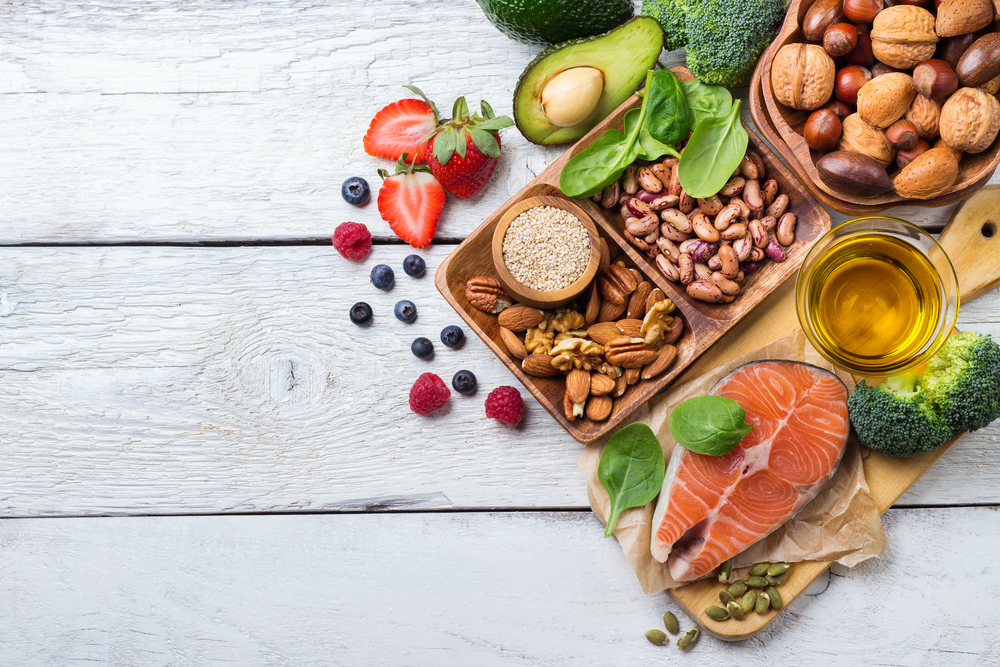
You might be surprised to learn how closely diet and pain treatment are related. A healthy diet causes your body to create the hormones and neurotransmitters it needs to help you manage your pain. Additionally, a variety of anti-inflammatory and antioxidant qualities found in diet can aid pain management. You can better manage your pain by taking drugs and eating a well-balanced diet.
Foods to alleviate pain
Certain foods that you need to include in your diet to alleviate your pain:
- Vegetables: You should aim for at least 7 different vegetables a day in your diet because vegetables are a great source of antioxidants that support your immune system to fight inflammation. Try different colors of vegetables such as green leafy vegetables like kale, lettuce, and spinach, or cruciferous vegetables like broccoli, cabbage, sprouts, and cauliflower which support the liver’s function. So, every time you make your meal try to add more vegetables to it.
- Fruit: You should aim to eat 2 to 3 different fruits per day because they contain fiber and antioxidants. Berries, red grapes, and cherries are rich in antioxidants. Some fruits can stay fresh even when frozen and in the refrigerator. However, you should avoid fruit juices as they only give you a big sugar hit without any fiber to manage that sugar spike. That’s why when it comes to eating vegetables and fruits you should eat them as organic as possible.
- Healthy fats: Healthy fats include omega-3 fatty acids that help to reduce inflammation in the body. Fatty fish such as salmon, sardines, tuna, mackerel, anchovies, herring, etc. are some of the best sources of omega 3. Other sources include walnuts and ground flaxseed. Monounsaturated fat is another healthy fat that you should include in your diet. Olive oil is a good source of this fat which contains antioxidants that support your immune system and also contains a compound called oleocanthal that has anti-inflammatory properties and pain-relieving effects similar to medicine Ibuprofen. So, use extra virgin olive oil for cooking and salad dressing. Other healthy fat sources are coconut oil, rapeseed oil, avocado, olives, nuts, and seeds. Avocados are a great source of antioxidants, fiber, monounsaturated fat, and vitamin E.
- Protein: Protein plays a very essential role in managing pain and amino acids (building blocks of protein) help our nervous system to function properly. Fish, poultry, beans, eggs, tofu, gluten-free oats, lentils, nuts, and seeds are good sources of protein.
- Lentils and beans: Legumes such as beans, peas, and lentils contain fiber, protein, folic acid, and lots of essential minerals such as magnesium, iron, zinc, and potassium which help to manage pain and wound healing. You can add them to your soups, stews, and salads.
- Fiber: Having fiber in your diet helps to reduce lower C reactive protein which is an inflammatory marker in the blood. It also helps your digestive system to work properly for daily bowel movements, to avoid toxins from getting reabsorbed back into the bloodstream. You should eat 30g of fiber a day which you can easily get from vegetables, fruits, nuts, and seeds. If you eat bread, pasta, and noodles then switch to a whole-grain version.
- Turmeric, cinnamon, and ginger: Turmeric contains curcumin which relieves pain and also calms your digestive system. Cinnamon and ginger both have anti-inflammatory properties, and cinnamon also balances your blood sugar levels. You can add turmeric to stews and soups, sprinkle it over roasted vegetables, mix it with olive oil and apple cider vinegar for a salad dressing, and/or drink turmeric tea. You can sprinkle cinnamon over roasted sweet potato or make a latte by warming almond or oat milk in a saucepan and adding ¼ teaspoon of cinnamon, turmeric, and ginger.
- Cherries: Tart cherry juice without sugar results in relieving pain, especially arthritic pain. Montmorency cherries also contain melatonin, a hormone that helps you sleep well.
- Vitamin C: Vitamin C has anti-inflammatory properties that reduce inflammation markers in the blood. If you develop vitamin C deficiency, then you may experience musculoskeletal pain and some people also experience post-herpetic neuralgia. That’s why maintaining vitamin C levels in your diet is important to deal with pain. Foods such as strawberries, oranges, kiwi, broccoli, and red peppers are some of the best sources of vitamin C.
Foods to avoid
As some foods can help you manage your pain, some foods can increase your pain as well.
The research found that polyamines are essential components for our cell growth that we acquire from diet. These polyamines upregulate activity in a receptor in the system which is also involved in amplifying pain. In animal studies, a polyamine-deficient diet can help to reduce pain hypersensitivity.
- Oranges and orange juices contain high levels of polyamines. But this doesn’t mean stop eating oranges or drinking orange juice, it just means you should reduce its consumption quantities. Similarly, peanuts and potato crisps also contain elevated levels of polyamines.
- Some pain-relieving medications contain caffeine because they interact with analgesic drugs that increase the effect of medicines such as paracetamol and aspirin. However, caffeine can also be harmful because if you regularly intake high to moderate amounts of coffee and other drinks containing caffeine it causes problems such as blocking the effects of the body’s relaxatory neurotransmitter adenosine. While most people know that coffee interrupts sleep, if you are suffering from chronic pain and you sleep poorly you feel more pain. Consuming coffee regularly can increase your risk of chronic headaches.
- Additionally, high levels of caffeine are also linked to osteoporosis, this is possible if you drink more than 4 cups of coffee a day. It also happens if you drink other caffeinated beverages such as cola and energy drinks. In addition to flavoring, sugar, or sugar replacement, water, and cola contain phosphoric acid and caffeine which might taste nice but there is nothing good for you. A high intake of cola and energy beverages can cause sleep problems and increase your risk of osteoporosis similar to coffee (due to your high caffeine intake).
If you have any pain issues, come to us; our pain management specialists offer a variety of treatment options for diverse types of pain. Medical professionals at Doral Health & Wellness’ Pain Medical Clinic can give you advice on how to deal with your pain. The location at 1797 Pitkin Avenue, Brooklyn, NY 11212 is well-served by public transportation, including many bus routes, and the subway line. Visit our website at http://www.painmanagementbrooklyn.com/ or to contact us on +1-347-384-5690 for additional details.


