
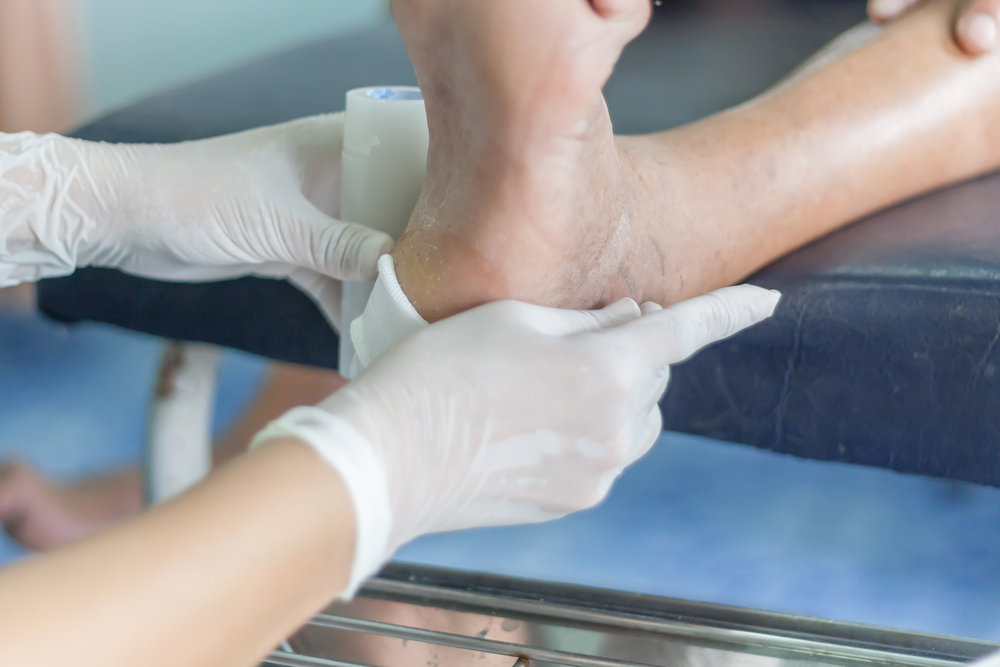
Living with diabetes requires careful management of blood sugar, but it also means paying close attention to your feet. One of the most common complications of diabetes is peripheral neuropathy, or nerve damage, which often affects the feet and legs first. Effective diabetic neuropathy screening and management are crucial for preventing serious complications, like ulcers and infections. A thorough diabetic neuropathy assessment can detect nerve damage early, even before you notice symptoms. This guide will explore the advanced screening methods and pain management strategies that can help you protect your foot health and maintain your quality of life. Get a consultation with the best Podiatrists in Brooklyn.
Why is Diabetic Neuropathy Assessment Crucial?
Diabetic neuropathy is caused by high blood sugar levels over time, which can damage the delicate nerve fibers throughout your body. In the feet, this damage can lead to a loss of sensation, meaning you might not feel pain, heat, or cold. You could get a cut, blister, or puncture wound and not realize it, allowing a minor injury to become a severe infection.
Regular screening is the key to prevention. The American Diabetes Association recommends that people with type 2 diabetes get screened for neuropathy annually starting at diagnosis, and those with type 1 diabetes should start five years after diagnosis. An experienced Brooklyn podiatrist can perform these essential assessments.
Advanced Diabetic Neuropathy Screening and Management
A comprehensive diabetic neuropathy assessment involves more than just a quick look at your feet. It uses several specific tests to evaluate different types of nerve function.
Sensory Testing
These tests check your ability to feel different sensations.
- Monofilament Test: This is a standard test where your podiatrist uses a soft nylon fiber (a monofilament) to touch specific spots on your feet. It tests your ability to feel light pressure, and an inability to feel the filament indicates a loss of protective sensation.
- Vibration Perception: A tuning fork or a specialized electronic device is placed on your big toe to see if you can feel the vibration. The inability to sense vibration is often one of the earliest signs of neuropathy.
- Pinprick and Temperature Sensation: These tests assess your ability to distinguish between sharp and dull, and hot and cold, which are other nerve functions that can be affected.
Sudoscan (Quantitative Sudomotor Axon Reflex Test – QSART)
This is an advanced, non-invasive technology that provides a more objective measure of nerve damage.
- How it Works: You place your hands and feet on stainless steel plates for a few minutes. The device sends a small electrical current to stimulate your sweat glands. Healthy nerves will activate the sweat glands, and the machine measures this response.
- What it Reveals: A reduced sweat response indicates damage to the small nerve fibers, often the first ones affected by diabetes. This test can detect neuropathy in its earliest stages, allowing for earlier intervention. Finding the best podiatrist in Brooklyn may mean looking for a clinic that offers this advanced diagnostic tool.
Nerve Conduction Studies
In some cases, your doctor may recommend a nerve conduction study. This test measures how quickly electrical signals travel through your nerves, providing a detailed look at nerve function and pinpointing the location of the damage.
Managing the Pain of Diabetic Neuropathy
Beyond the risk of injury from loss of sensation, neuropathy can also cause significant pain. This pain is often described as burning, tingling, or sharp, shooting pains. Effective management is key to maintaining your quality of life.
- Blood Sugar Control: The most important step is to keep your blood glucose levels within your target range. This can slow the progression of nerve damage and may even reduce symptoms.
- Topical Treatments: Creams and patches containing capsaicin or lidocaine can be applied directly to the feet to provide localized pain relief.
- Oral Medications: Several classes of prescription medications can help manage neuropathic pain. These include certain antidepressants (like duloxetine) and anti-seizure medications (like gabapentin and pregabalin), which are effective at calming overactive nerves.
- Physical Therapy: A physical therapist can teach you exercises to improve balance and strength, reducing your risk of falls.
The Role of Your Podiatrist
Your podiatrist is a vital partner in diabetic neuropathy screening and management. Regular visits to a qualified Brooklyn podiatrist should be a non-negotiable part of your diabetes care plan. During these visits, your podiatrist will:
- Perform a comprehensive annual foot exam and neuropathy assessment.
- Treat any corns, calluses, or ingrown toenails safely.
- Guide proper footwear and daily foot care practices.
- Prescribe custom orthotics to redistribute pressure and reduce the risk of sores.
If you are looking for the best podiatrist in Brooklyn, seek a professional who emphasizes patient education and uses advanced screening tools. They can create a personalized plan to address your specific needs and risks.
Protect Your Feet for a Lifetime
Diabetic neuropathy is a serious condition, but it is manageable. Through regular, advanced screening and a proactive approach to management, you can significantly reduce your risk of complications and alleviate painful symptoms. Don’t wait for symptoms to appear. Be proactive about your foot health by scheduling regular check-ups and following your healthcare team’s advice. Your feet carry you through life—give them the expert care they deserve. At Doral Health & Wellness, we have Podiatrists with extensive education and expertise. If you’re ready to take the next step in managing your pain, we recommend consulting with our healthcare provider to explore the right treatments or therapies for you. Always listen to your body and adjust your daily routine to prioritize your well-being. Our address is 1797 Pitkin Avenue, New York, NY 11212. To make an appointment, please call + 1 718 367 2555, or register your information and make direct contact with us at https://yuz88hfiyh7.typeform.com/Doralintake or send an email to info@doralhw.org. You can also visit us at 1797 Pitkin Avenue, Brooklyn, NY 11212.


