
Prostate Cancer

Prostate cancer arises from uncontrolled cell growth in the prostate. It may be indolent or aggressive. Early detection via PSA screening and targeted biopsy is key to tailored treatment.
Peyronie’s Disease
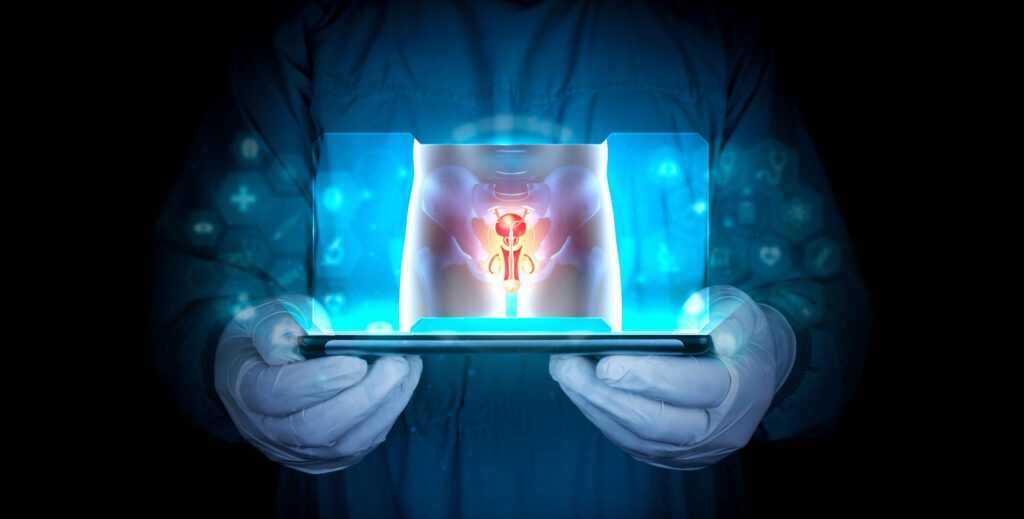
Peyronie’s is caused by fibrous plaque forming in the tunica albuginea of the penis. This plaque prevents normal expansion, leading to curvature, pain, and erectile dysfunction in severe cases.
Pelvic Organ Prolapse
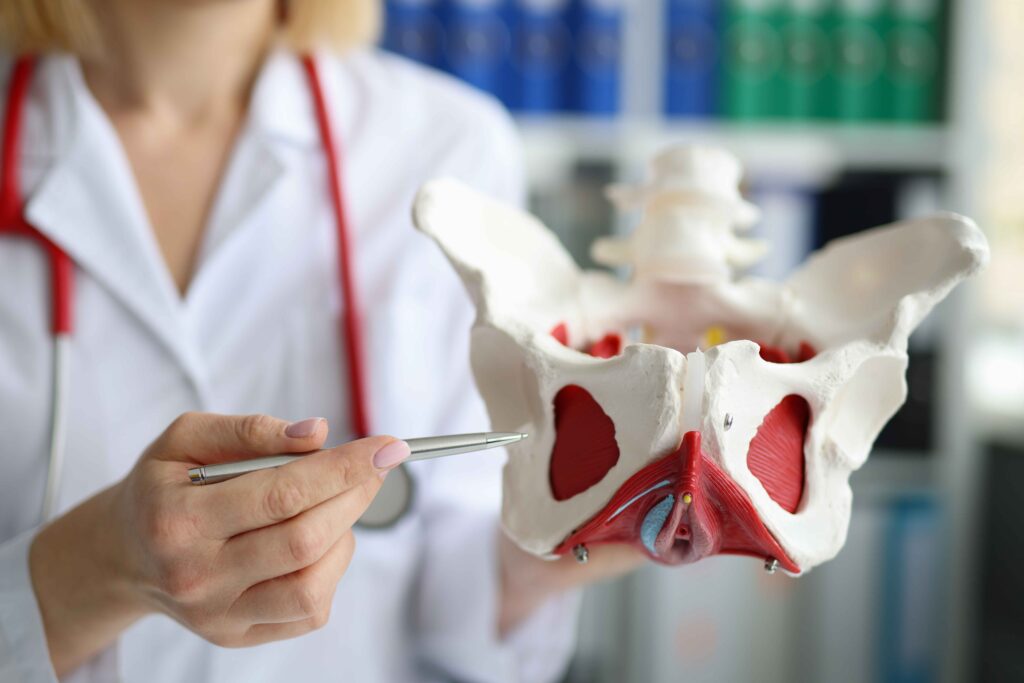
Prolapse occurs when pelvic floor muscles and connective tissue weaken, allowing organs to drop into the vaginal canal. This can lead to urinary, bowel, and sexual dysfunction.
Overactive Bladder (OAB)
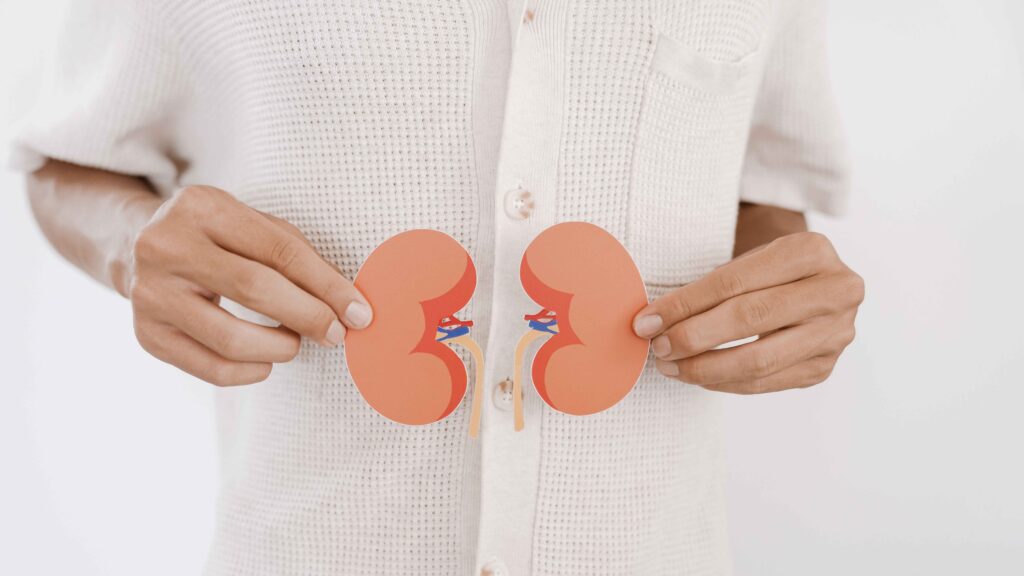
OAB is characterized by involuntary bladder muscle contractions that create an urgent desire to urinate. It may lead to frequency (more than eight times per day), urgency, and urge incontinence (leakage before reaching the toilet).
Nocturia (Frequent Nighttime Urination)

Nocturia can be managed with expert evaluation. Doral Health & Wellness offers care for better sleep and bladder control.
Low Testosterone

Hypogonadism occurs when the testes don’t produce enough testosterone. It can lead to decreased muscle mass, bone density loss, erectile dysfunction, and cognitive effects. Low Testosterone
Kidney Stones
Kidney stones form when urine becomes concentrated with minerals (calcium, oxalate, uric acid) that crystallize. Stones can obstruct urinary flow, causing acute pain, nausea, and hematuria.
Infertility in Men

Male infertility accounts for roughly half of all infertility cases. It may stem from low sperm count, poor motility, abnormal morphology, or obstructive issues in the reproductive tract.
Foamy Urine
Foamy urine occurs when bubbles persist after urination. Occasional foam is normal, but persistent or increasing foaminess can signal proteinuria—a sign of kidney damage or disease.
Erectile Dysfunction (ED)
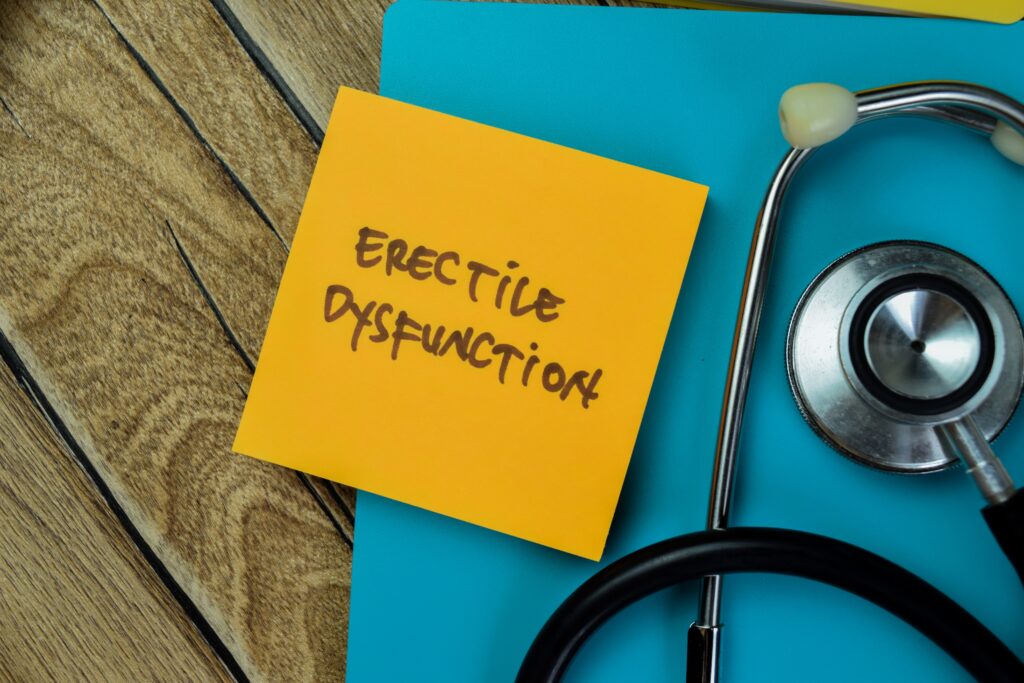
ED is the chronic inability to achieve or maintain a penile erection adequate for satisfactory sexual performance. It can result from vascular, neurologic, hormonal, or psychological factors.