
Moles

Moles are small skin growths caused by clusters of pigment cells. Most are harmless, but changes in size, color, or shape should be checked to rule out skin cancer.
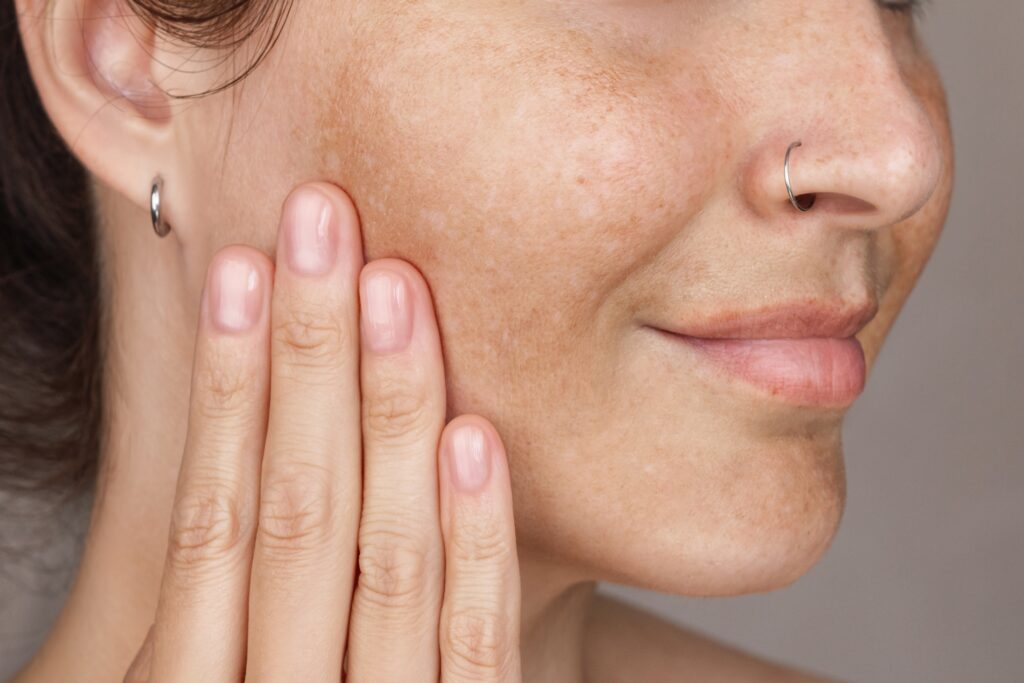
Melasma
Seborrheic Dermatitis
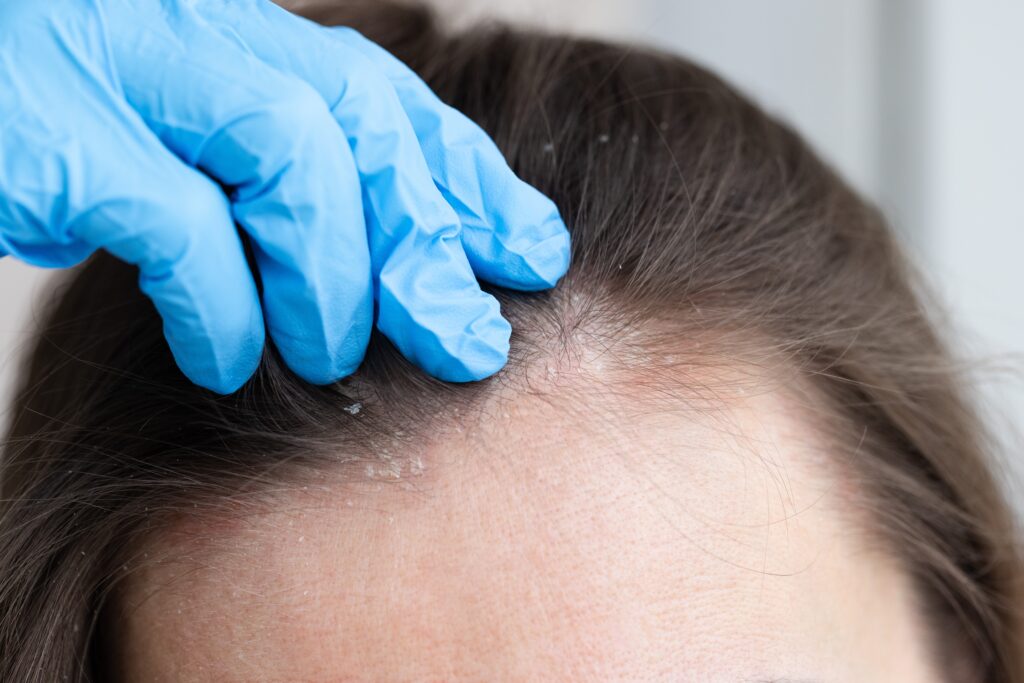
Seborrheic dermatitis is a skin condition that causes redness, scaling, and dandruff. It often affects the scalp, eyebrows, sides of the nose, and ears. It may come and go and can be controlled with proper treatment.
Vitiligo
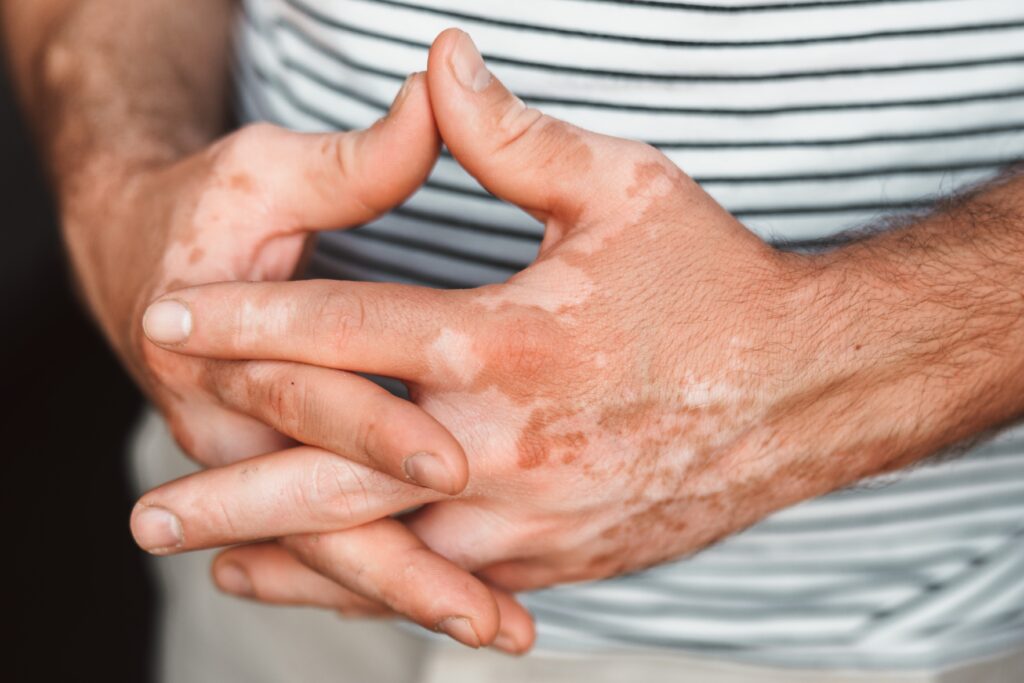
Vitiligo is a condition in which the skin loses pigment cells, causing white patches to appear. It can affect any part of the body, including the face, hands, and scalp. While not dangerous, it may affect appearance and confidence.
Squamous Cell Carcinoma
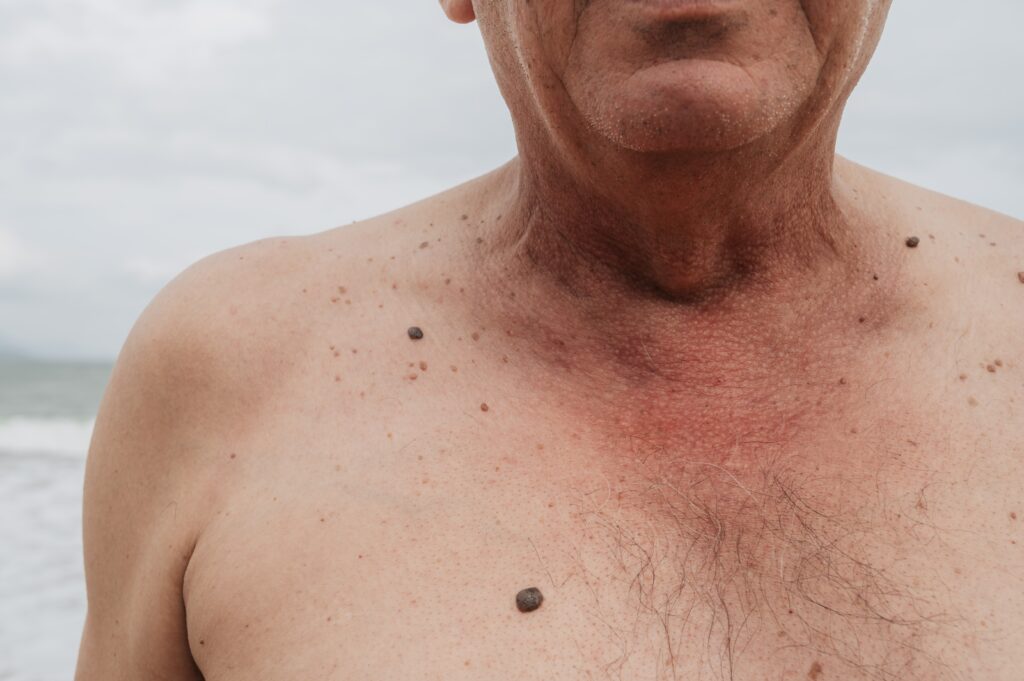
Squamous cell carcinoma develops in the outer layer of the skin and is often caused by long-term sun exposure. It may appear as a scaly patch, sore, or raised growth. Early treatment helps prevent spreading.
Basal Cell Carcinoma
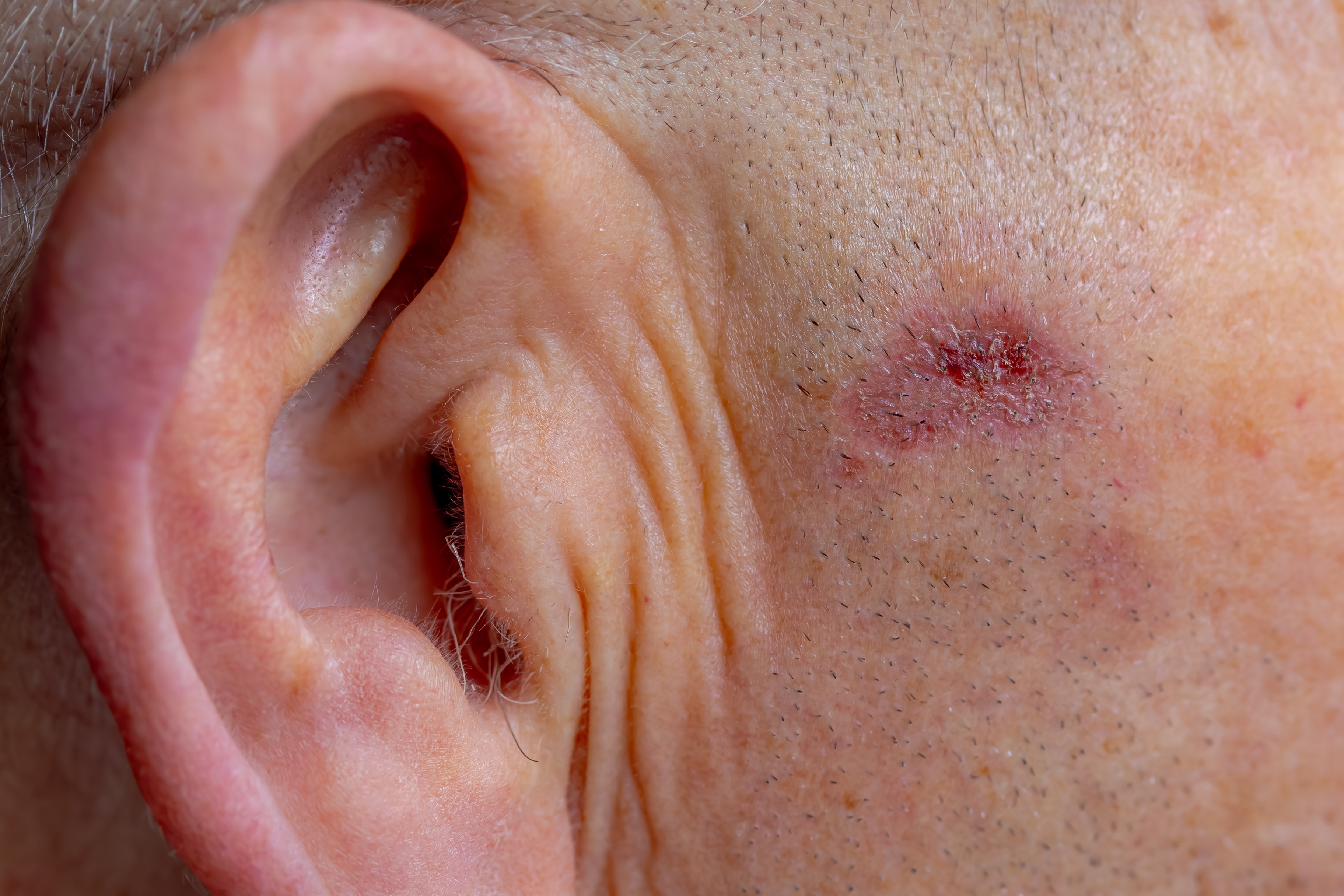
Basal cell carcinoma is the most common form of skin cancer. It develops in the basal cells of the skin and usually appears on sun-exposed areas such as the face, neck, and arms. It grows slowly but should be treated to prevent damage to surrounding tissue.
Skin Cancer
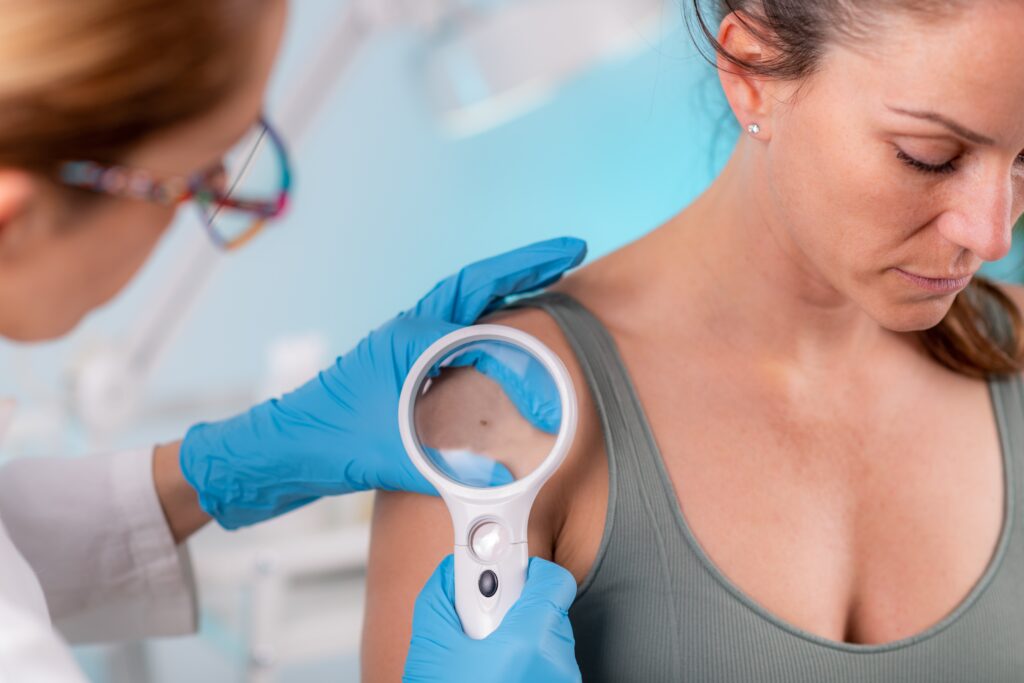
Skin cancer is the uncontrolled growth of abnormal skin cells. It most often develops on skin exposed to the sun but can occur anywhere on the body. Early detection allows for effective treatment and prevents complications.
Melanoma

Melanoma is a type of skin cancer that begins in melanocytes, the cells that produce pigment in the skin. It may develop in an existing mole or appear as a new dark spot. Melanoma can spread quickly if not treated early, so prompt evaluation is important for successful treatment.